A Local's Guide to Exploring Ubud
Home - Blog & Article

Stay amid Ubud rice fields at Ananda Ubud Resort, with Balinese heritage, yoga, cultural experiences, tranquil pools, and easy access to Ubud Centre.
Jl. Raya Sanggingan, Kedewatan, Kecamatan Ubud, Kabupaten Gianyar, Bali 80571
(0361) 975376
reservations@anandaubud.com
(0361) 975376
Home - Blog & Article
Ubud is more than a destination. It is a living blend of art, culture, nature, temples, rice fields, and everyday Balinese life. For guests staying at Ananda Ubud Resort, exploring Ubud means discovering places that reveal the heart of Bali, from quiet museum corners and scenic walking trails to sacred temples and iconic rice terraces.
Ubud has always been known as one of Bali’s most inspiring destinations. Surrounded by tropical landscapes and rice fields, this cultural town offers a slower and more meaningful way to experience the island. It is a place where art galleries sit close to temples, morning walks lead to peaceful views, and every corner carries a sense of tradition.
For travellers who want to explore beyond the usual tourist route, Ubud offers many experiences that feel rich, personal, and memorable. From Ananda Ubud Resort, guests can enjoy easy access to some of the most loved cultural and natural attractions in the area. Whether you are interested in Balinese art, sacred heritage, scenic views, or simply a peaceful day out, this local guide will help you discover the beauty of Ubud at your own pace.
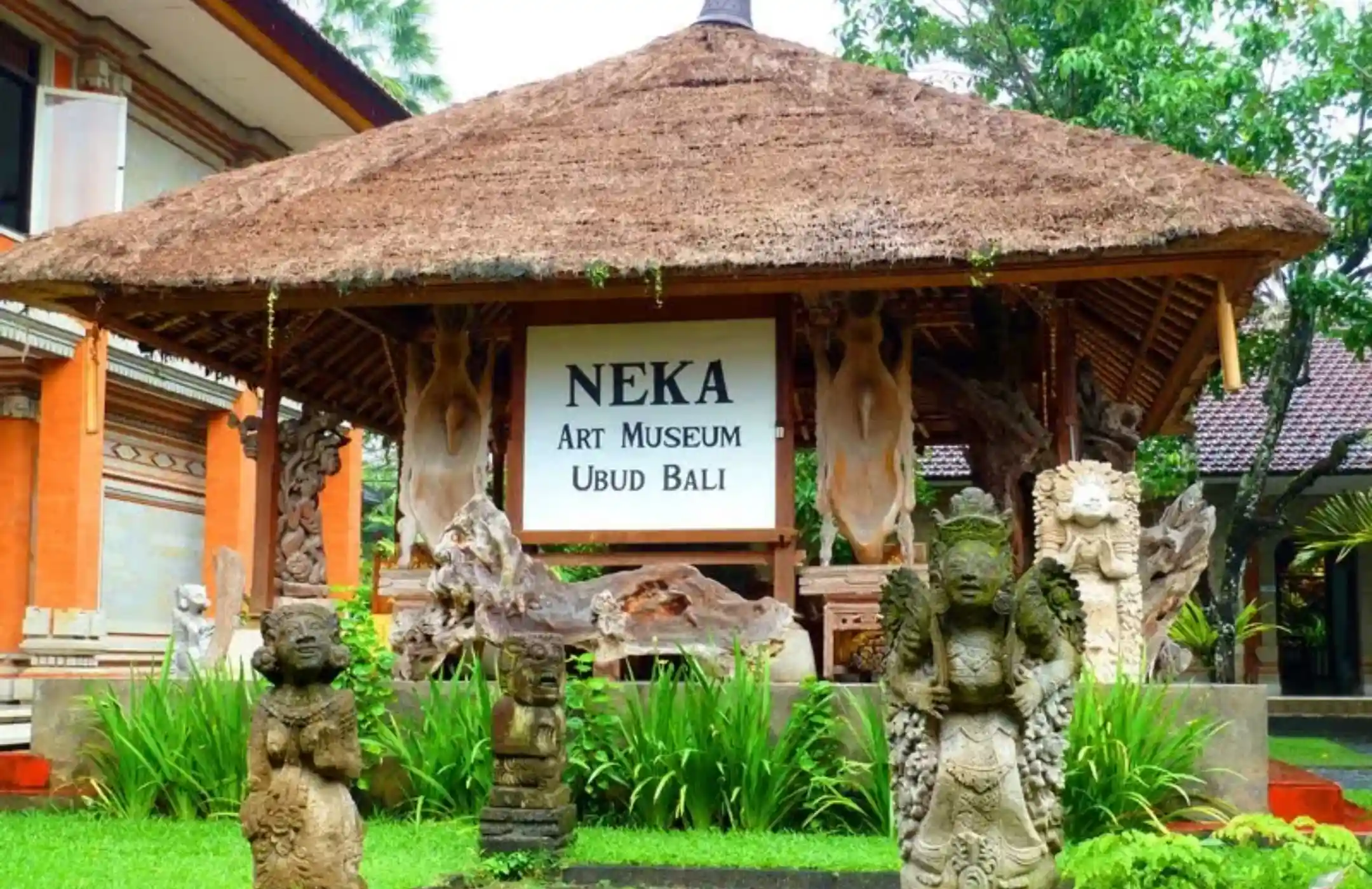
Neka Art Museum is one of Ubud’s most respected art destinations. It is a wonderful place to begin your cultural journey, especially if you want to understand how Bali’s artistic identity has developed over time.
The museum showcases a wide collection of Balinese and Indonesian artworks, including traditional paintings, modern pieces, and works inspired by Bali’s landscapes, rituals, and daily life. Walking through the museum feels calm and reflective, making it ideal for travellers who enjoy art, history, and quiet cultural spaces.
For guests staying in Ubud, Neka Art Museum offers a deeper introduction to the island’s creative soul. It is not only about seeing paintings, but also about understanding how deeply art is connected to Balinese culture.

Campuhan Ridge Walk is one of Ubud’s most peaceful outdoor experiences. Known for its green valley views and open walking path, it is best enjoyed in the early morning or late afternoon when the weather feels cooler and the light is softer.
The walk offers a different side of Ubud. Instead of busy streets and shops, you will find open landscapes, fresh air, and a sense of quiet movement. It is a simple experience, but that is what makes it special. You do not need much planning, only comfortable shoes, water, and time to enjoy the scenery.
For travellers looking to slow down, Campuhan Ridge Walk is a beautiful reminder that some of the best moments in Ubud come from simply walking, breathing, and being surrounded by nature.
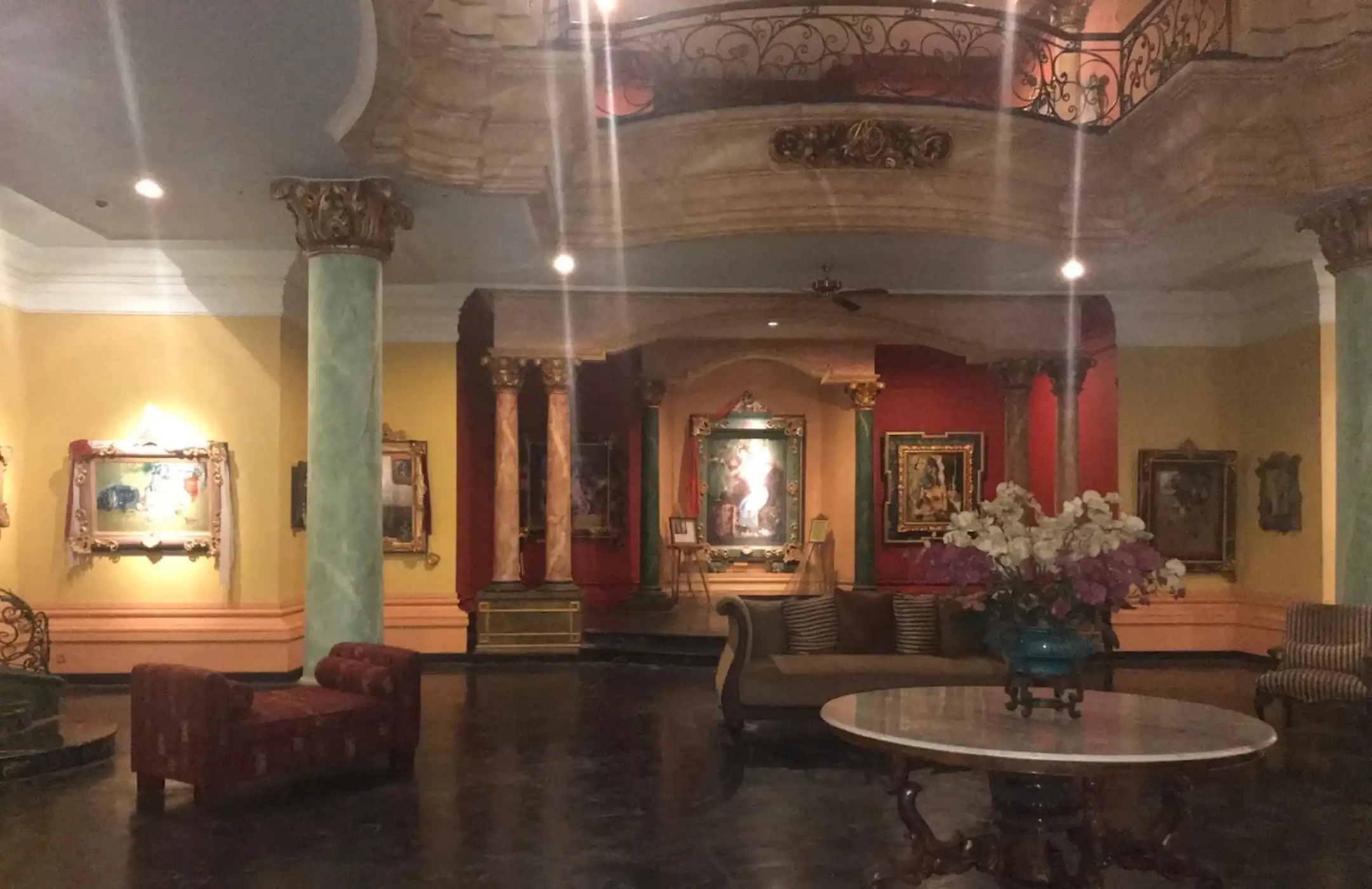
The Blanco Renaissance Museum is one of Ubud’s most unique cultural landmarks. The museum celebrates the life and work of artist Antonio Blanco, whose creative world was strongly influenced by Bali.
The building itself feels artistic and expressive, with a distinctive design that makes the visit feel different from a typical museum experience. Inside, guests can explore artworks, personal collections, and spaces that reflect Blanco’s bold and imaginative style.
This museum is a good stop for travellers who enjoy art, character, and places with a strong personality. It adds a colourful contrast to Ubud’s more traditional cultural attractions.
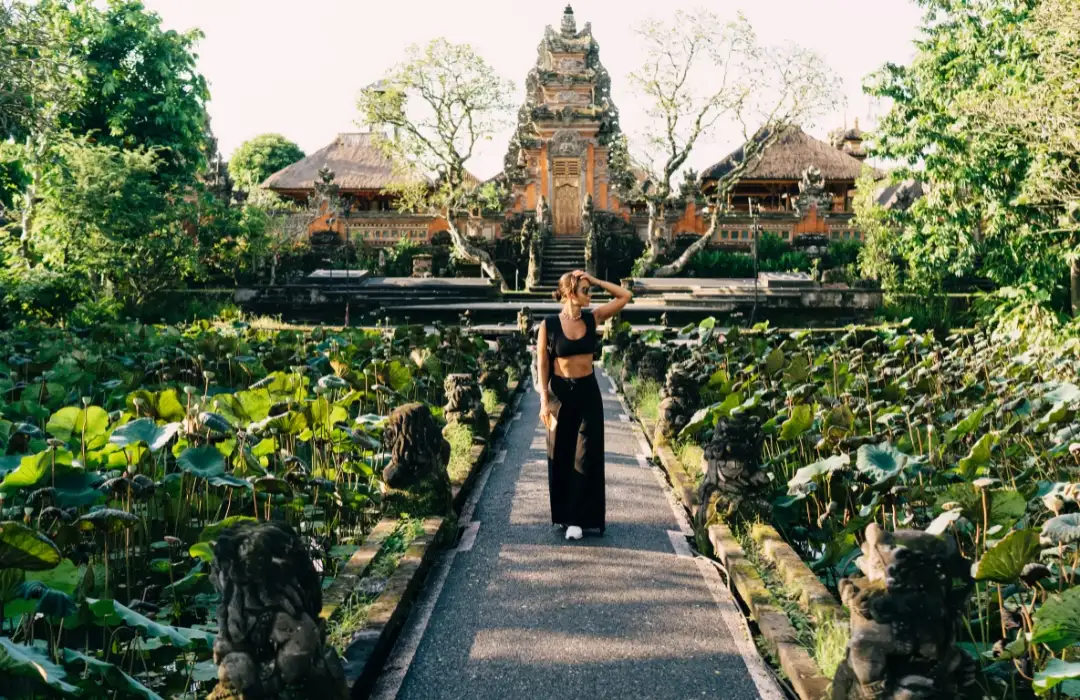
Pura Taman Saraswati, often called the Ubud Water Palace, is one of the most photogenic temples in central Ubud. Known for its beautiful lotus ponds and traditional Balinese architecture, this sacred place is dedicated to Saraswati, the goddess of knowledge, art, and wisdom.
The temple is especially beautiful when the lotus flowers are in bloom. Visitors can enjoy the peaceful atmosphere from the front area, take photos, and admire the detailed carvings that reflect the elegance of Balinese temple design.
Its location in central Ubud makes it easy to combine with nearby attractions, cafés, galleries, and cultural walks. For many visitors, Pura Taman Saraswati is a gentle introduction to the spiritual and artistic character of Ubud.
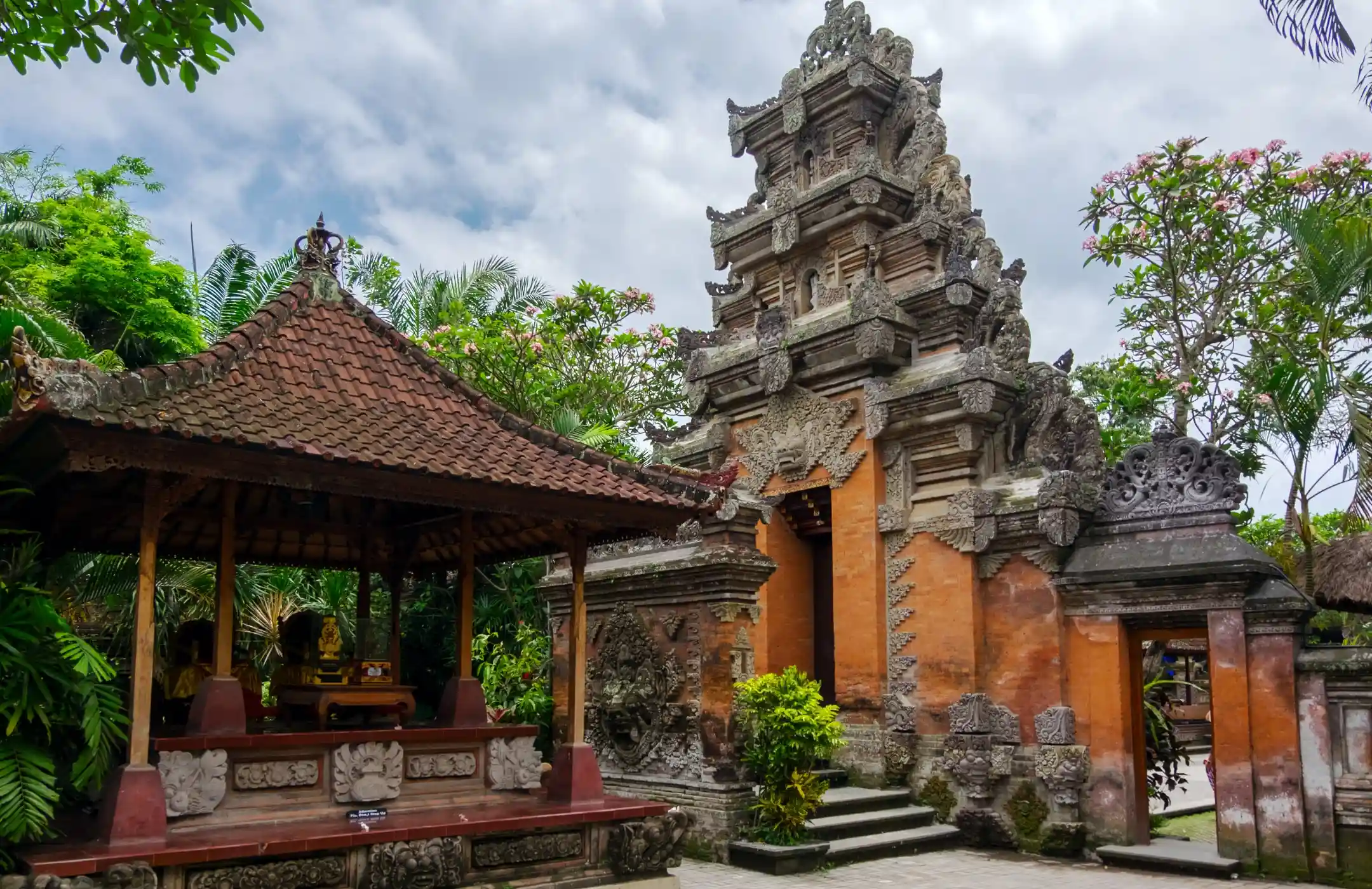
Ubud Palace, also known as Puri Saren Agung, is one of the most important cultural landmarks in the heart of Ubud. It has long been connected to Ubud’s royal heritage and remains a central point for visitors who want to experience the town’s history and traditional architecture.
The palace is admired for its carved gates, courtyards, and classic Balinese design. It is also known as a cultural venue where traditional performances are often held in the evening.
A visit to Ubud Palace gives travellers a sense of how closely history, community, and culture are connected in Ubud. It is a simple but meaningful stop, especially when combined with the nearby market and Water Palace.
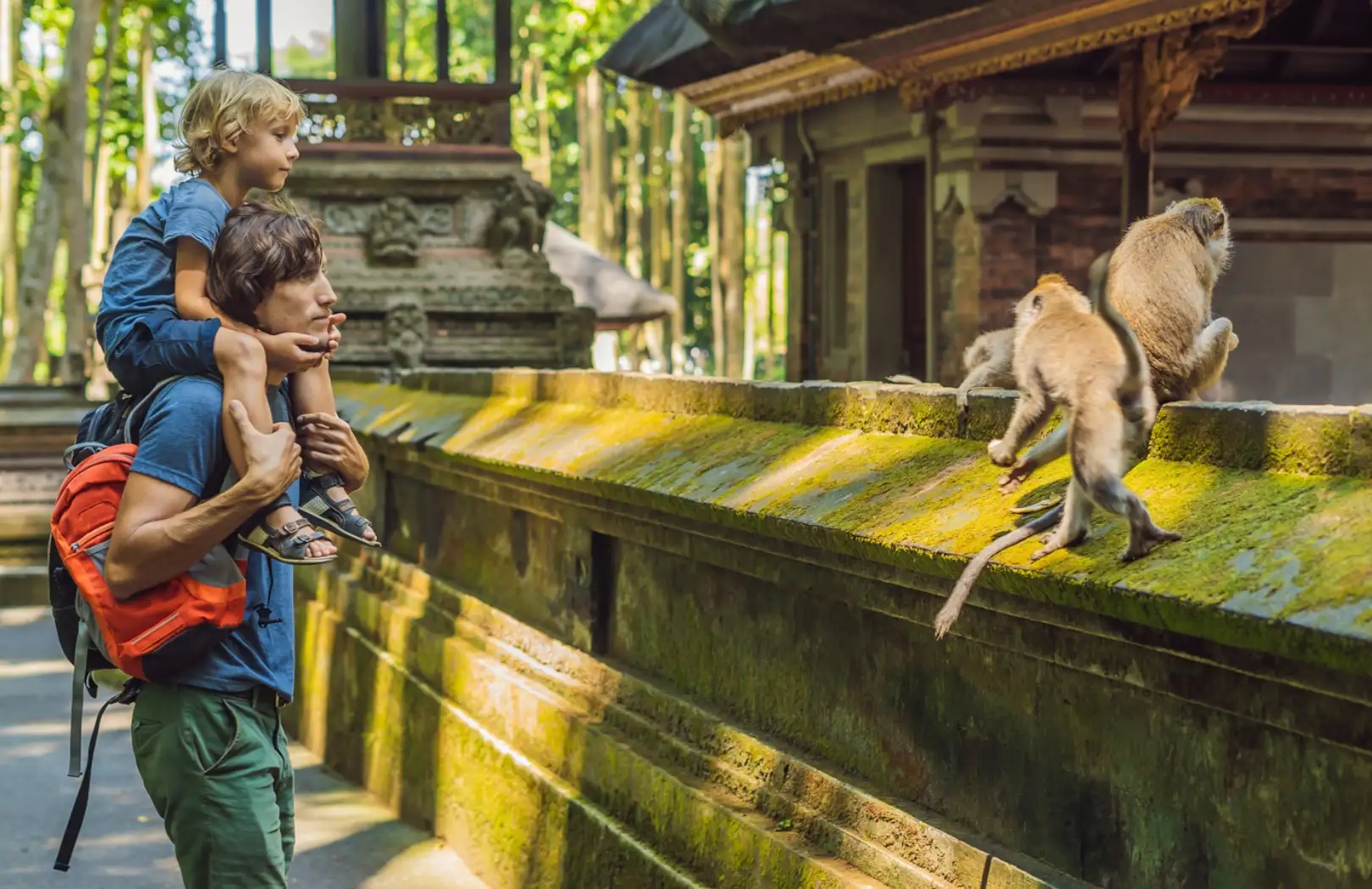
The Sacred Monkey Forest Sanctuary is one of Ubud’s most iconic attractions. More than just a place to see monkeys, it is a sacred forest area with ancient temples, large trees, stone pathways, and a deeply atmospheric setting.
Visitors can walk through the forest and observe long-tailed macaques in their natural surroundings. The experience can be fun and memorable, but it is important to follow the rules, keep belongings secure, and respect the animals and temple areas.
The sanctuary offers a mix of nature, wildlife, and sacred heritage. For many first-time visitors, it is one of the most unforgettable experiences in Ubud.
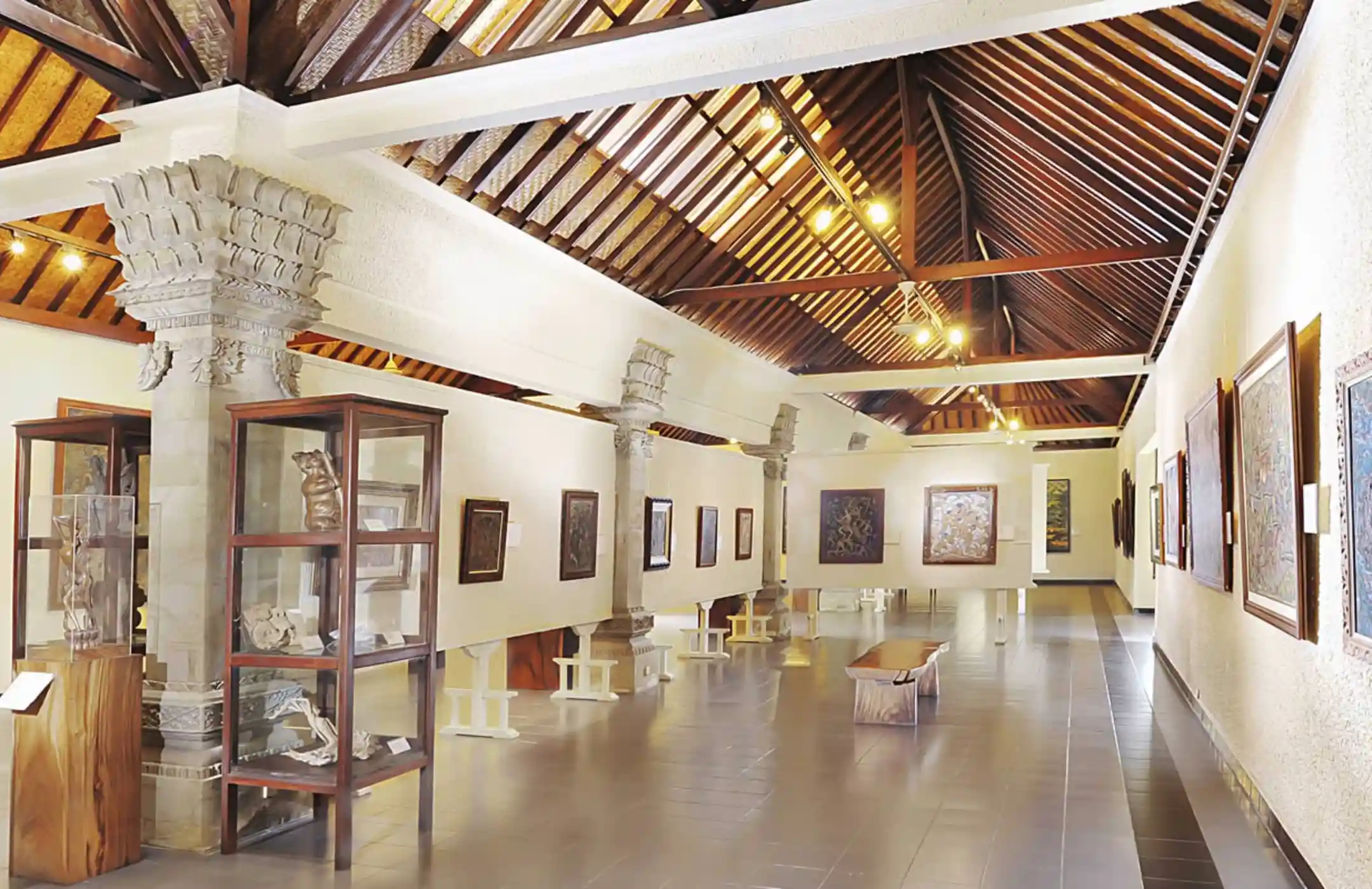
Museum Puri Lukisan is another important art museum in Ubud and a great place to learn more about Balinese painting traditions. The museum presents works that highlight the development of local art, from classical styles to more modern expressions.
The atmosphere is calm, with garden spaces and galleries that invite visitors to take their time. It is especially suitable for guests who want a deeper cultural experience rather than a quick sightseeing stop.
Together with Neka Art Museum and The Blanco Renaissance Museum, Museum Puri Lukisan helps show why Ubud has long been known as Bali’s centre of art and creativity.
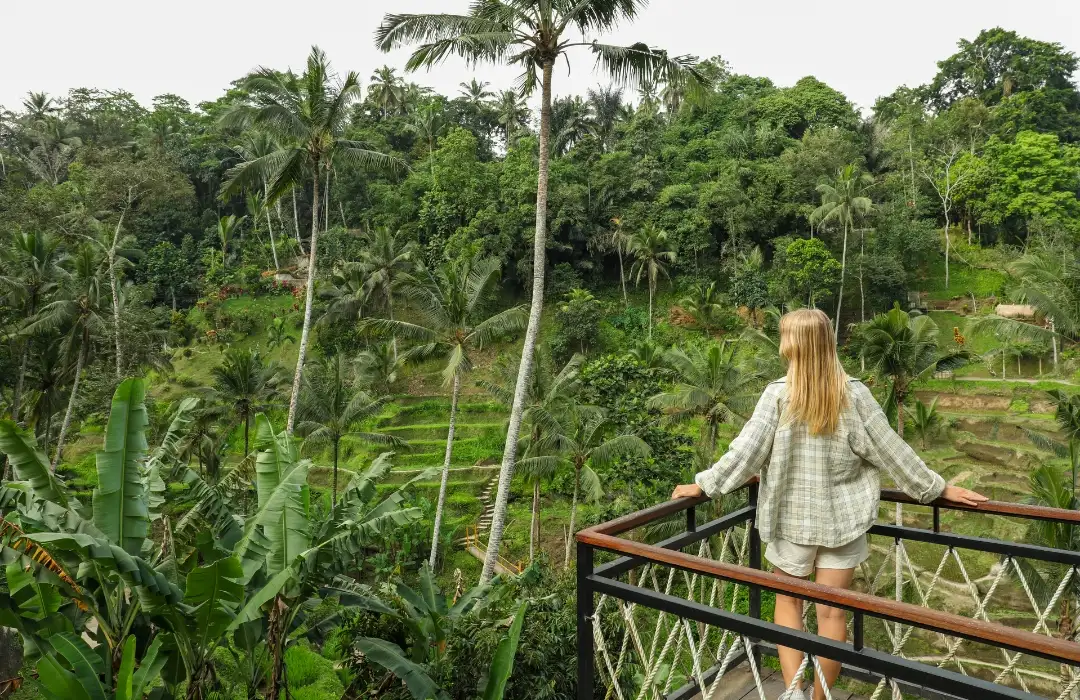
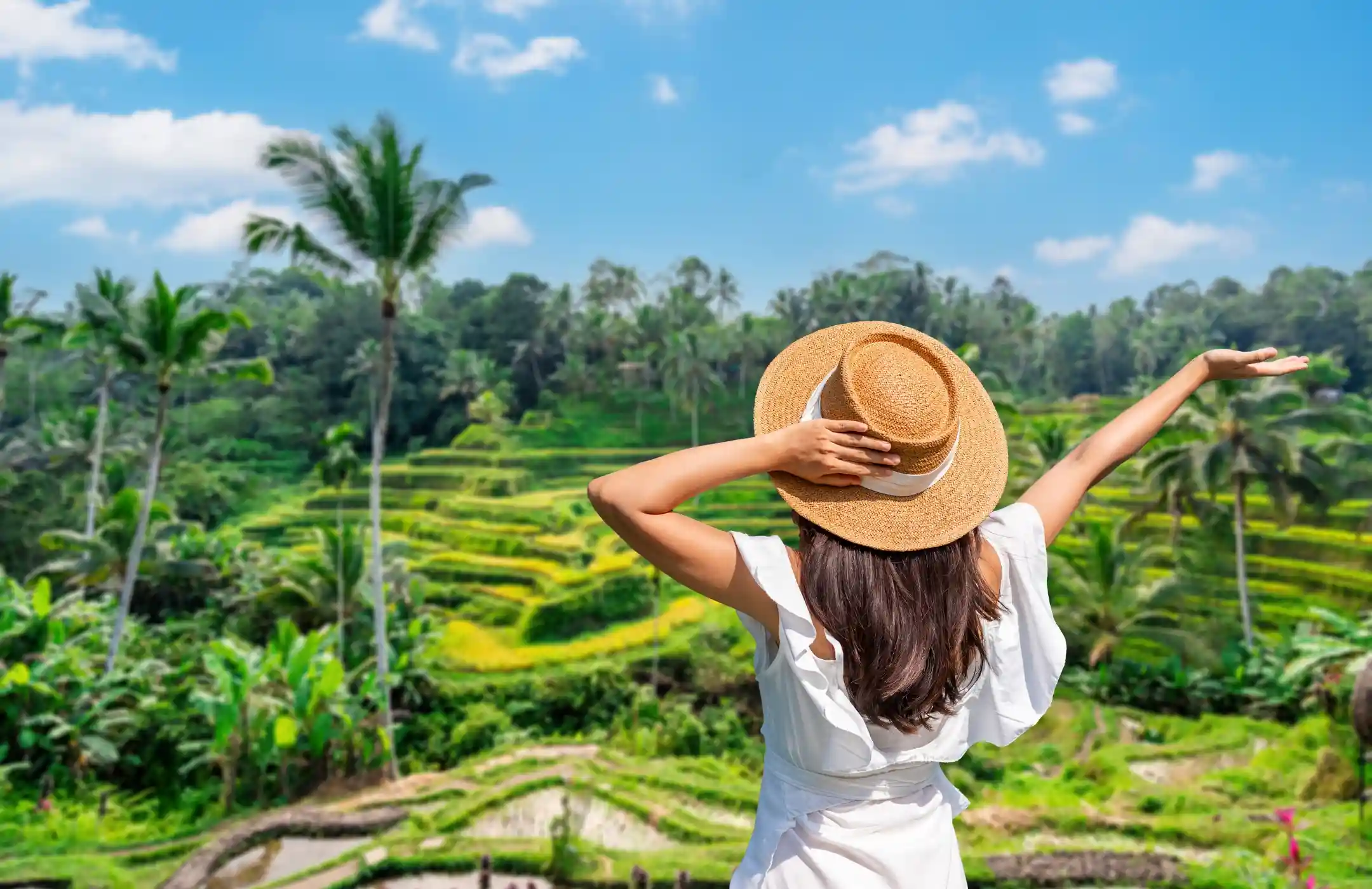
Tegallalang Rice Terrace is one of the most famous landscapes near Ubud. Its layered rice fields, green valley views, and traditional irrigation scenery make it a favourite destination for photography and sightseeing.
The best time to visit is usually in the morning, when the air feels fresher and the area is less crowded. Guests can walk along the terraces, enjoy the view from a café, or simply take in the beauty of Bali’s agricultural landscape.
While Tegallalang has become popular, it still offers a strong visual connection to the rice field culture that shapes much of Ubud’s identity. For travellers staying at Ananda Ubud Resort, it is a meaningful extension of the rice field atmosphere found around the resort.
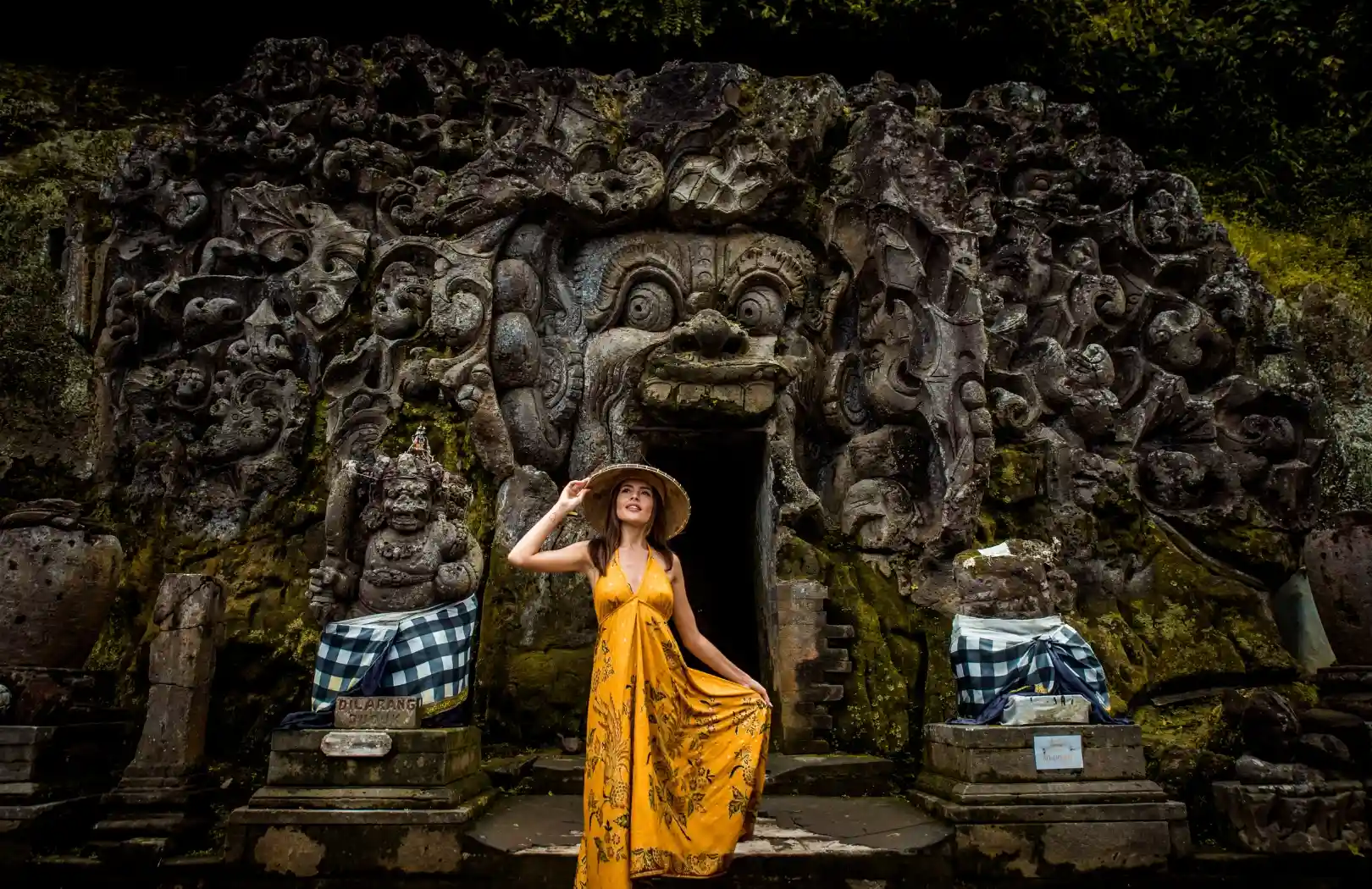
Goa Gajah, also known as the Elephant Cave, is one of the most fascinating historical sites near Ubud. The site features an ancient cave entrance, bathing pools, stone carvings, and peaceful garden surroundings.
A visit to Goa Gajah offers a glimpse into Bali’s spiritual and historical layers. The carved cave entrance is one of its most recognizable features, while the surrounding area invites visitors to walk, observe, and reflect.
This destination is ideal for travellers who enjoy temple visits, history, and cultural heritage. It is also a good reminder that Ubud’s beauty is not only found in nature, but also in the stories and sacred places that have shaped Bali over generations.
To enjoy Ubud properly, try not to rush from one place to another. Choose a few destinations in one day and leave space between them. Ubud is best experienced through small details: the sound of gamelan in the distance, the smell of incense near a temple, the view of rice fields after morning rain, or a quiet moment inside an art museum.
A good route may begin with a morning walk at Campuhan Ridge, followed by a visit to Neka Art Museum or Museum Puri Lukisan. In the afternoon, you can explore Ubud Palace, Pura Taman Saraswati, and nearby cafés or shops. Another day can be dedicated to Tegallalang Rice Terrace, Goa Gajah, and the Sacred Monkey Forest Sanctuary.
Staying at Ananda Ubud Resort allows guests to enjoy this balance naturally. You can explore the cultural heart of Ubud, then return to a peaceful resort surrounded by gardens and rice fields.
Exploring Ubud is not only about visiting famous landmarks. It is about feeling the rhythm of a place where art, spirituality, nature, and daily life continue to exist side by side. From museums and temples to forest paths and rice terraces, every destination offers a different way to understand Bali.
For guests of Ananda Ubud Resort, these experiences are all part of a meaningful journey. Whether you are discovering Ubud for the first time or returning to see it in a new way, this local guide invites you to explore slowly, stay curious, and connect more deeply with the timeless beauty of Ubud.