Discover Authentic Balinese Culture Through Meaningful Experiences in Ubud
Home - Blog & Article

Stay amid Ubud rice fields at Ananda Ubud Resort, with Balinese heritage, yoga, cultural experiences, tranquil pools, and easy access to Ubud Centre.
Jl. Raya Sanggingan, Kedewatan, Kecamatan Ubud, Kabupaten Gianyar, Bali 80571
(0361) 975376
reservations@anandaubud.com
(0361) 975376
Home - Blog & Article
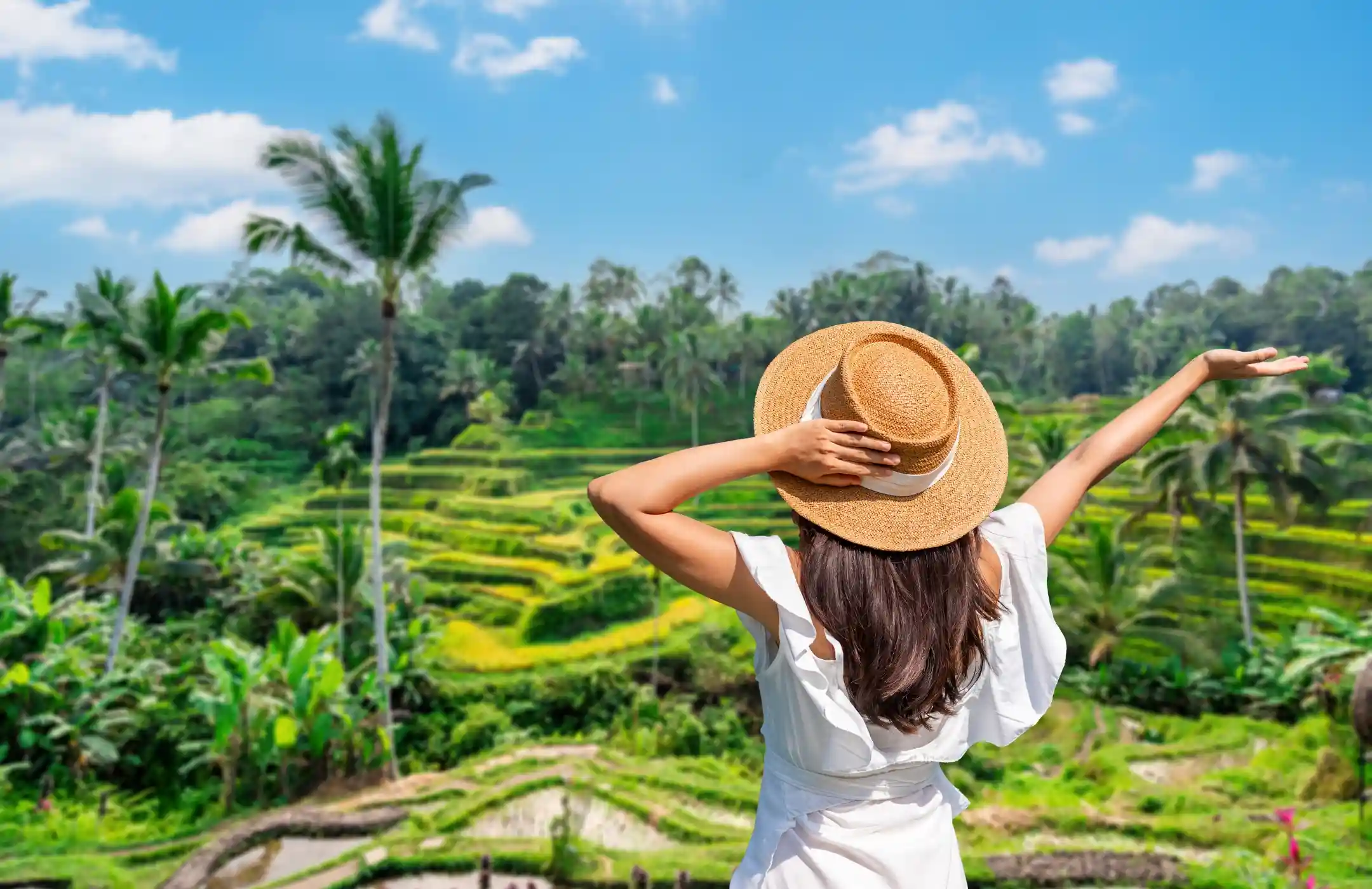
Ubud is often described as the cultural heart of Bali, and it is easy to understand why. Surrounded by rice fields, tropical landscapes, temples, galleries, traditional villages, and peaceful forest areas, Ubud offers more than a beautiful place to stay. It is a destination where visitors can experience the living traditions, creativity, spirituality, and daily rhythm of Balinese life.
For many travelers, Bali is known for beaches, sunsets, and tropical escapes. However, Ubud offers a different kind of journey. It invites guests to slow down, observe, participate, and connect more deeply with the island’s rich cultural heritage. Here, culture is not limited to museums or performances. It can be found in daily offerings placed at family shrines, the sound of Gamelan during ceremonies, the detailed movements of traditional dance, the aroma of spices in Balinese kitchens, and the calm atmosphere of wellness practices surrounded by nature.
Joining Balinese cultural activities in Ubud is one of the best ways to make a holiday feel more meaningful. Rather than simply seeing Bali from a distance, guests can take part in traditions, learn directly from local instructors, and create memories through experiences that reflect the soul of the island.
At Ananda Ubud Resort, guests can enjoy a selection of cultural and wellness activities designed to bring them closer to Balinese traditions in a relaxed, welcoming, and authentic setting.
Travel becomes more memorable when it offers something beyond photographs and sightseeing. Visiting beautiful places is part of the experience, but joining cultural activities can create a stronger emotional connection to the destination.
When travelers learn how to prepare a Balinese offering, try a traditional dance movement, listen to the rhythm of Gamelan, or cook a local dish, they begin to understand the values and stories behind what they see around them. These activities create a deeper appreciation for Bali because they reveal the care, creativity, spirituality, and community that remain important in daily life.
Ubud is especially suitable for this kind of experience because Balinese traditions are still strongly present. Temples, ceremonies, dance, music, art, and local food continue to play an important role in the area. Guests do not need to travel far to discover culture. It can be part of the stay itself.
For couples, families, solo travelers, and groups of friends, cultural activities can also become a meaningful way to spend time together. They encourage conversation, curiosity, laughter, and shared memories. A class may last only an hour or two, but the experience can stay with guests long after they return home.
One of the most recognizable parts of Balinese daily life is Canang Sari. These small offerings are often placed in temples, family shrines, homes, entrances, and sacred spaces throughout the island. At first glance, they may appear simple, but every detail carries meaning.
Canang Sari is created by Balinese Hindus as an expression of gratitude and devotion to God. It is commonly made using woven palm leaves, flowers, leaves, and other natural elements. The offering is not only a ritual object. It is also a daily reminder of balance, appreciation, and spiritual connection.
For visitors, joining a Making Balinese Offering class is a gentle introduction to the spiritual side of Bali. During the session, guests can learn about the purpose of Canang Sari, the materials used, and the meaning behind its arrangement. The activity is calm, creative, and suitable for guests of different ages.
At Ananda Ubud Resort, the class includes Canang Sari tools and ingredients, along with a printed guide explaining how to make a Balinese offering. Guests can also take home the Canang Sari they create as the result of the class.
This experience is especially meaningful because it gives visitors a chance to understand something they will see throughout Bali. After learning about Canang Sari, guests may begin to notice the offerings around them with a deeper sense of respect and appreciation.
Music is an important part of Balinese life, and Gamelan is one of the island’s most distinctive traditional sounds. The music is created through a collection of instruments that may include metallophones, gongs, drums, and other percussion instruments. Together, they create layered rhythms that can feel energetic, meditative, ceremonial, and deeply expressive.
Gamelan is often performed during temple ceremonies, cultural dances, processions, and community gatherings. In sacred settings, its sound helps create a spiritual atmosphere and supports the emotional energy of the ceremony. In dance performances, the music guides movement, timing, expression, and storytelling.
For travelers interested in music, art, or culture, a Balinese Instrument Class is a wonderful opportunity to learn more about this important tradition. Guided by a professional local Balinese musician, guests can experience a Gamelan demonstration and gain a better understanding of the role music plays in Balinese culture.
The class is not only for experienced musicians. It is suitable for anyone who is curious about Bali’s traditional arts. Guests can observe the instruments, listen to the rhythms, and learn how the different sounds work together.
The experience often becomes one of the most memorable parts of a cultural stay in Ubud because the sound of Gamelan is unlike anything else. It is one of those moments that makes visitors feel truly present in Bali.
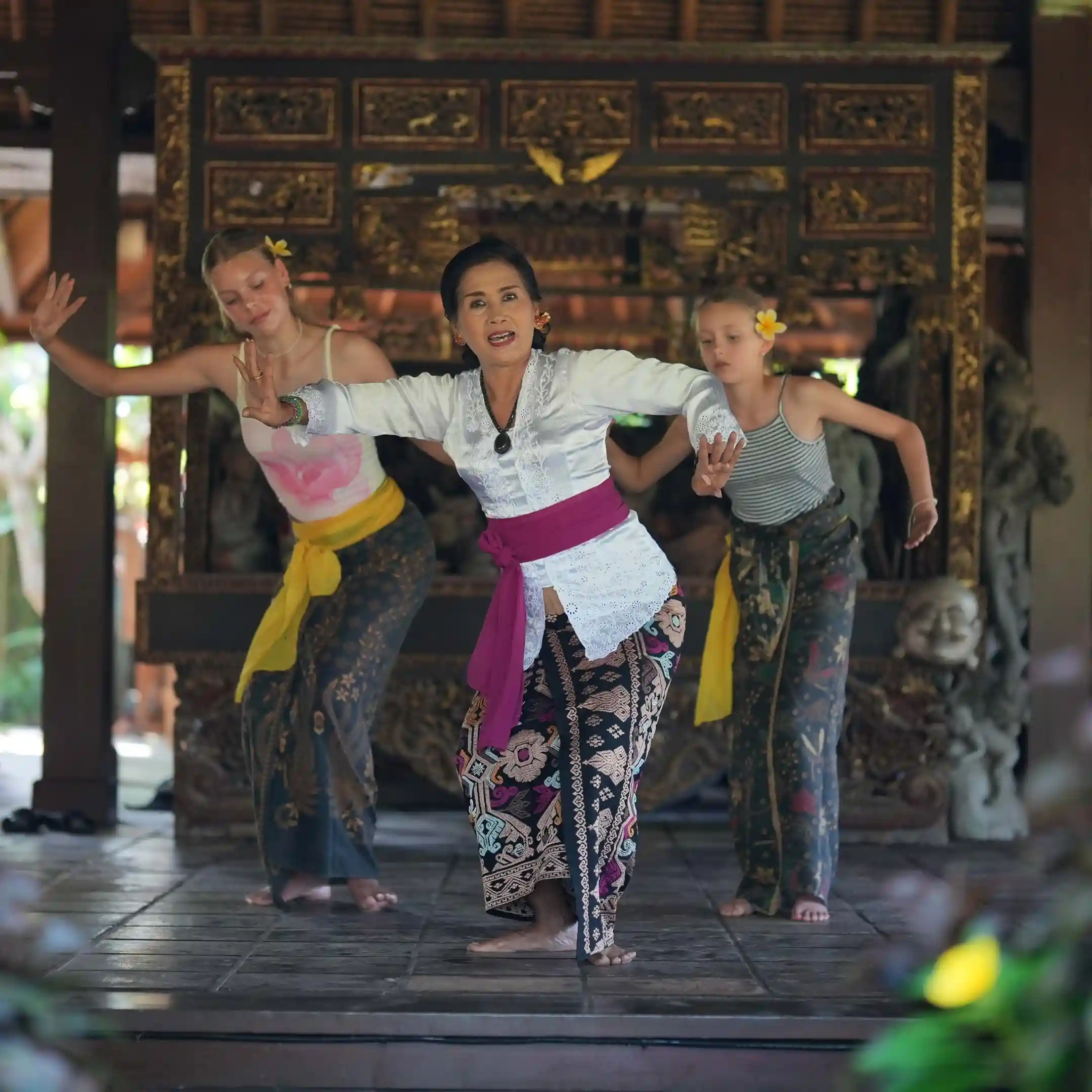
Balinese dance is known for its elegance, energy, precision, and expressive character. Every movement has meaning, from the position of the hands and fingers to the movement of the eyes, head, shoulders, and feet. Traditional dance is closely connected to music, storytelling, ceremony, and local identity.
Unlike many dance forms that focus only on large body movements, Balinese dance pays close attention to detail. A dancer may communicate emotion through a glance, a hand gesture, or a subtle shift in posture. The movements are often graceful but powerful, creating performances that are both artistic and deeply expressive.
Joining a Balinese Dancing Class allows guests to experience this tradition in a more personal way. Instead of simply watching a performance, participants can learn the basic movements step by step with guidance from a professional local instructor.
The class offers a fun and engaging activity for guests who want to try something different during their stay. It can also be a meaningful way to understand how much practice, discipline, and cultural knowledge are required behind every traditional performance.
For couples, families, or groups of friends, this activity often brings a lot of laughter and enjoyment. Learning the movements may feel challenging at first, but that is part of the experience. Guests leave with new memories, a deeper appreciation of Balinese art, and perhaps a few dance steps to remember.
Food is one of the most enjoyable ways to understand a destination. It brings together local ingredients, family traditions, regional flavours, and the creativity of the people who prepare it. In Bali, food is often rich in aroma and flavour, created through a combination of herbs, spices, fresh vegetables, meats, and traditional cooking techniques.
Balinese cuisine is known for its bold character. Ingredients such as turmeric, ginger, galangal, lemongrass, chilli, garlic, shallots, coconut, and aromatic leaves are often used to create dishes that are vibrant, comforting, and full of depth.
A Balinese Cooking Class gives guests the chance to discover these flavours in a more interactive way. Rather than only tasting Balinese food at a restaurant, participants can learn about the ingredients, cooking methods, and traditions behind the dishes.
At Ananda Ubud Resort, the cooking class is arranged at Jerungga Garden by the rice fields, creating a beautiful and peaceful setting for the experience. Guests can enjoy the natural surroundings while learning how to bring more vibrancy to their Balinese journey through food.
After the cooking session, participants can enjoy the meal they have prepared in a specially arranged dining area. The experience includes a non-alcoholic beverage paired with the food created during the class, as well as a cooking class certificate.
For many guests, this becomes more than just a cooking lesson. It is a memory of sharing food, learning new skills, and experiencing the flavours of Bali in a setting surrounded by nature.
Ubud is also known as one of Bali’s leading destinations for wellness and retreat experiences. The peaceful surroundings, fresh air, natural views, and slower rhythm of life make it an ideal place to reconnect with the mind, body, and soul.
Yoga is one of the most popular wellness activities in Ubud because it offers a way to pause, breathe, and become more present. Whether a guest is already familiar with yoga or trying it for the first time, the experience can provide a calm break from busy routines and travel schedules.
At Ananda Ubud Resort, yoga sessions are led by a private yoga teacher and include yoga equipment for participants. The setting in the heart of Ubud’s natural environment adds an extra sense of calm to the experience.
A yoga class is not only about physical movement. It can also be an opportunity to slow down, release stress, and enjoy a quiet moment surrounded by nature. Guests are encouraged to take a deep breath, listen to the sound of the surroundings, and allow the peaceful atmosphere of Ubud to become part of the session.
For travelers who have been moving between airports, tours, restaurants, and attractions, yoga can be a meaningful way to restore balance. It is also a beautiful experience for couples who want to share a moment of calm together during their stay.
Ubud has many beautiful attractions, from temples and waterfalls to art galleries and scenic rice terraces. However, some of the most special moments happen when travelers take the time to participate rather than simply observe.
Balinese cultural activities in Ubud make it possible to experience the destination from a more personal perspective. Guests can learn about traditions, hear stories, develop new skills, and meet local instructors who share their knowledge with warmth and pride.
These activities can also help visitors travel with more respect. Understanding the role of offerings, music, dance, food, and wellness in Balinese life encourages guests to appreciate the culture in a deeper way. It transforms a holiday from a simple escape into a meaningful journey.
At Ananda Ubud Resort, cultural activities are designed to be enjoyable, accessible, and authentic. Guests can choose the experience that feels most interesting to them, whether it is learning to make Canang Sari, listening to Gamelan, dancing to Balinese rhythms, preparing local food, or relaxing through yoga.
Each activity offers a different way to connect with Ubud. Together, they create a fuller and more memorable picture of Bali.
A stay in Ubud can be as relaxing or as active as each guest wishes. Some travelers may prefer quiet days by the pool, while others may want to explore every corner of the area. Cultural activities offer a beautiful balance between the two.
They are not rushed tours or crowded attractions. They are moments of learning, creating, listening, and connecting. They give guests a chance to experience Bali at a slower pace and take home more than souvenirs.
At Ananda Ubud Resort, every cultural experience is an invitation to discover the heart of Ubud. From the spiritual meaning of Canang Sari to the rhythm of Gamelan, the grace of dance, the richness of Balinese cooking, and the calm of yoga, guests can enjoy a journey that feels authentic, personal, and memorable.
For travelers searching for Balinese cultural activities in Ubud, these experiences offer a meaningful way to understand the island’s traditions while enjoying the comfort and natural beauty of a peaceful resort stay.